Street Photography in Africa

When we travel, our eyes are a opened a little bit wider. This is the perfect time to shoot street photography. Good street photography is all about people. But, photographing people in a new culture isn’t always easy. I’ve just returned from shooting in Uganda and Tanzania. Africa is a wonderful place to shoot street photography but you need to keep your wits about you.

Street Photography in Africa

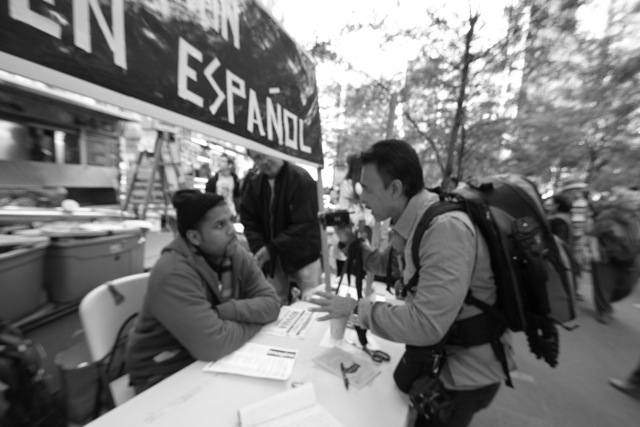
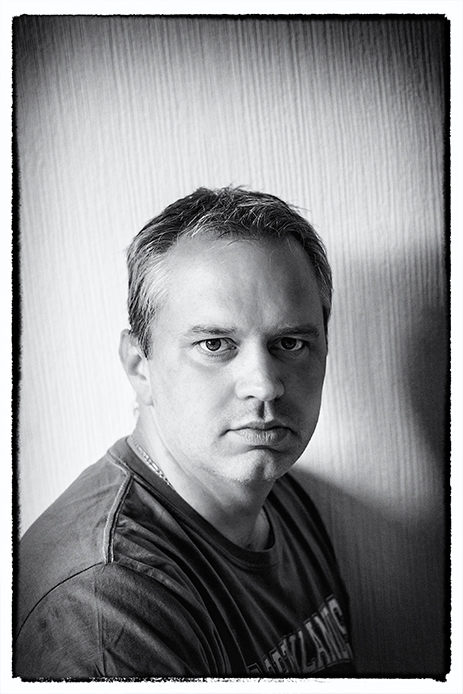
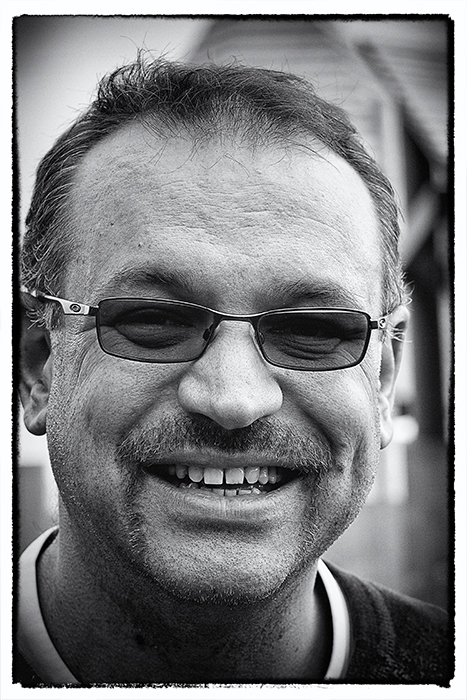
You can get very close if you just smile and put your subject at ease.

So, how can use the techniques from street photography to make your travel photography better?

Tell a story

Stop and talk to the people you are photographing. Who are they, where were they born, what football team do they support? Get to know your subjects and learn their story so you can tell it through your photos. This will be the biggest change for most tourists. It will challenge you to become more of an extrovert. You will have to deal with the occasional rebuff. Not everyone will be happy about you taking their photo (watch out in Central America and China). But you can bust through the toughest cultural barriers with the right smile, body language and politeness.

Panasonic GF2 street photo

I fell in love with the variety of ways that expats had integrated (or not) into local culture.

You also need a viewpoint on what you are trying to convey. Are you amazed by the Arabian influence in Zanzibar? The dignity in the slums of Kampala? Or the intricacies of village life on the border with Rwanda? Then convey your viewpoint through your photos.

Get closer

Most travel photos are taken from a long way away. Imagine the generic shot of the Eiffel Tower or the Sydney Opera House. If you’re shooting in an amazing location like Africa, don’t let your bad old travel photography habits hold you back. Instead, get closer to your subjects.

Micro Four Thirds

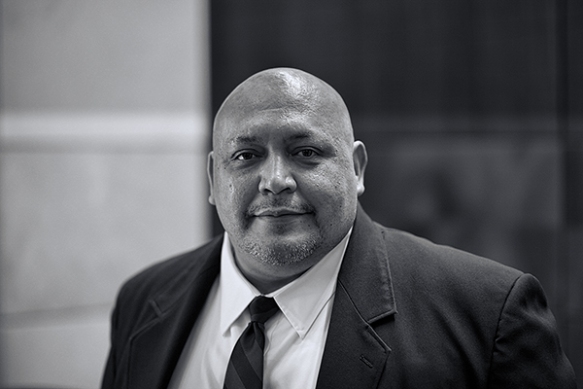
Getting closer brings the subject out from the background.

By getting closer you will capture more emotion and more detail. The field of view changes so that your viewer feels that they are closer to the action. I’ve found that the perfect pairing is a 90mm portrait lens on my primary shooter (GF2) and a travel zoom compact camera (TZ30) in my back pocket for wide or long shots.

Use light

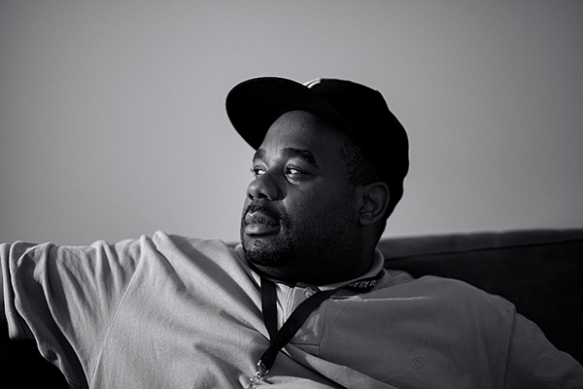
The biggest difference between a travel photo and a street photo is light. Become obsessed with shadows, times of the day (look for the golden hour before sunset) and moments when your subject is facing sideways across the light. You can take a bald record of your travels in any light but a street photo requires some depth of lighting.

Panasonic TZ30 Street Photography

The Panasonic TZ30 managed to capture solid shadows and details.

To get the most out of the light it’s nice to have a slightly better camera. A Micro Four Thirds or a mini-SLR is a good compromise for street photography in the developing world. They are small enough to travel well and keep a low profile, but large enough to take a credible picture.

Safety

People ask me a lot about safety doing street photography in the developing world. Those people are not normally street photographers. If you’re a nervous tourist and you suddenly jerk out a flashy compact camera and wave it in someone’s face, then you might be inviting trouble. Either from your subject, or the tough guy in an the alleyway.

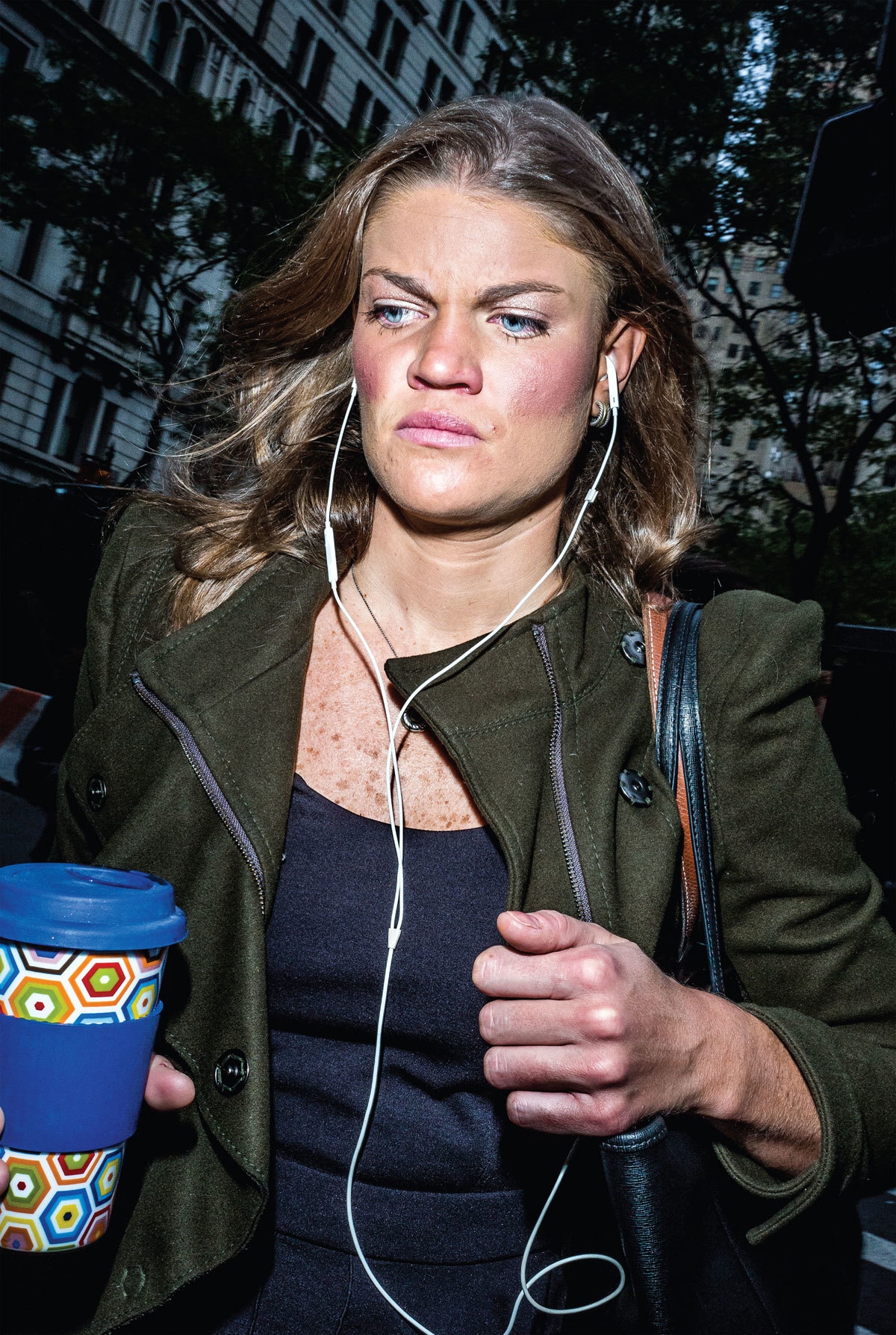
Street Portrait

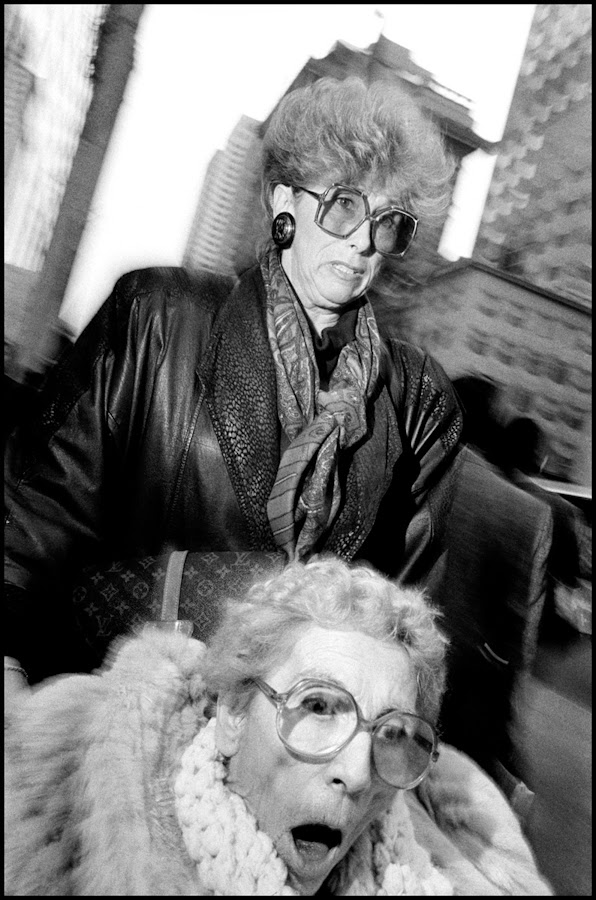
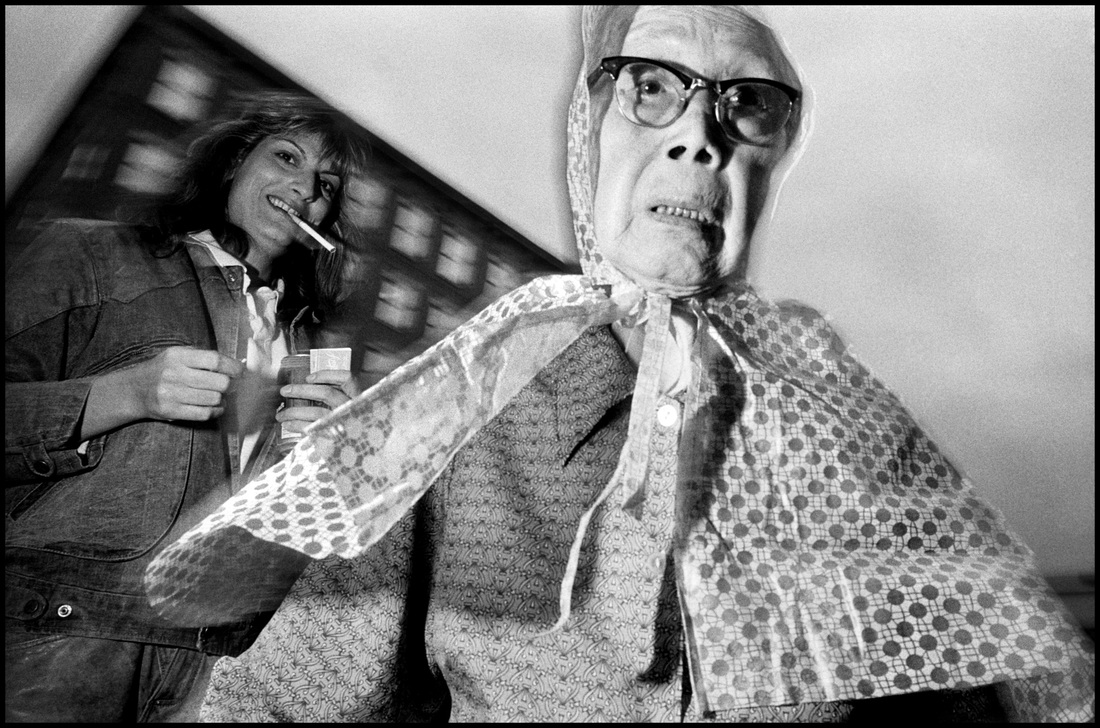
Street photography is less about photography and more about people.

If you dress like a local (in somber colours), carry a beat up looking camera, have your camera already in your hands ready to use and have fun with your subjects, then you’ll create that certain street photographer’s invisibility cloak. Even so, common sense applies and you’re best to do a recce in an area for a few hours before you start shooting. This allows you to relax, but also to spot any dangerous areas or characters.

Shooting in a street photography style will bring a whole new dimension to your travel photography. Especially in Africa where there are so many nuanced stories to tell.

Lightroom Preset for Street Photography

I’ve been asked a number of time what presets I use for Lightroom. Street photography is a style that seems to benefit form very simple black and white because it lets you focus in on the details, the light in the city and on the story of the people you are shooting. I process my images in Adobe Lightroom, looking for a gentle film look that puts attention on the subject and the story.

Street Photography Lightroom Settings

It's hard to find a consistent look for your black and white images.

I shoot street photos to tell a story with the image. I want viewers to say to themselves; “I wonder where that woman is going?” and not “I wonder whether he used Instagram for that photo?” So I’ve created a Lightroom 4 Preset that is specifically designed for street photographers who want the images themselves to do the talking. Continue reading

14mm Lens Review

My GF2 came with the Panasonic 14mm lens as part of the kit so I never realised how many street photographers haven’t tried this powerful little lens. Recently I’ve met more and more micro four thirds street shooters and I’m still shocked at how many of you haven’t tried the pocket rocket. Put simply, the 14mm is the best value lens for micro four thirds.

Panasonic 14mm pancake

The 14mm handles bright lights fine. There's a bit of flare but it's part of the charm.

Three lens kit

The 14mm Panasonic is part of a holy trinity of fast and cheap primes: 14mm, 20mm and 45mm. You could argue that the 12mm Olympus or the 17mm Olympus have their place in a three lens kit. But the 14mm is equivalent to the common 28mm wide angle lens and it’s a stunner on the street. It balances cost and performance much better than the 12mm or 17mm. Continue reading

Oxford Street Flasher

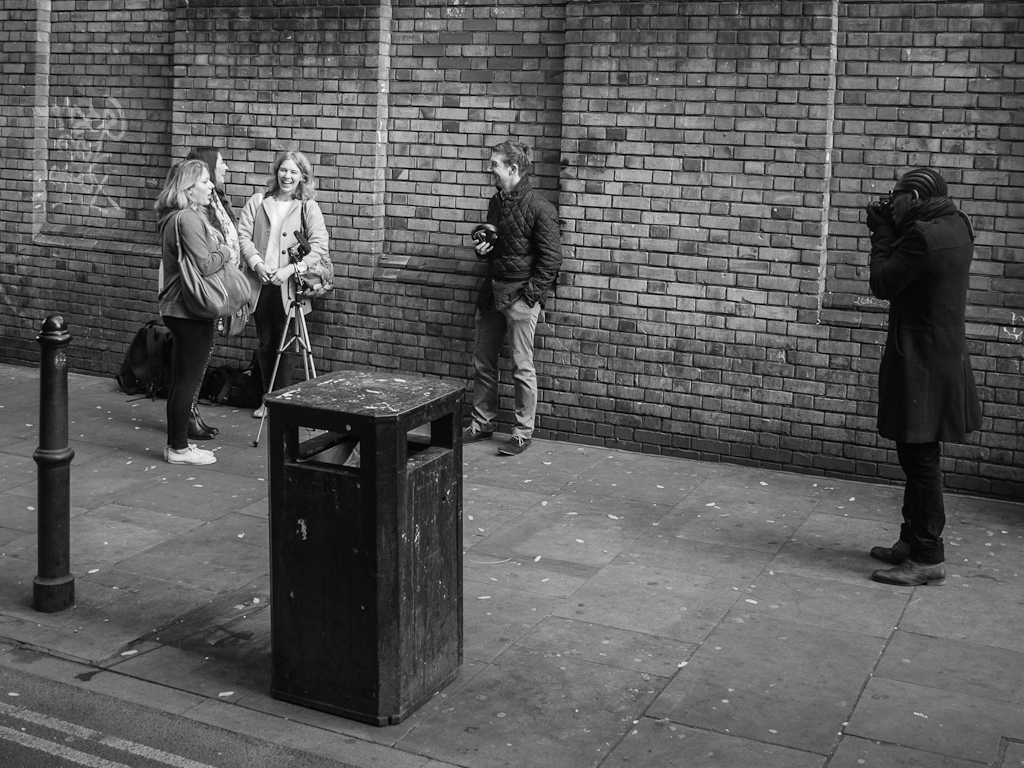
On the corner of Oxford Street and Tottenham Court Rd today I stumbled across a photographer using a hand-held flash to grab street portraits. It was a moment of serendipity because I was wandering along, thinking about how “asked” stranger portraits like the Extra Day Project are different to candid street photography. I stopped to chat for a moment.

Flash Street Photo on Oxford St

An off camera flash gives you more freedom to move and creates interesting light.

He’d been spit at, chased and attacked. But said that most people react very positively. In fact, many play up for the camera. Continue reading

Abtin Eshraghi Guest Photographer

Abtin Eshraghi is a self taught photographer from London. He was born in Iran, raised in the UK and lived briefly in the US. I first noticed Abtin’s work through Google Plus, which has a great network of street photographers. His photos have a gritty energy that jumps off the screen.

Street Portrait

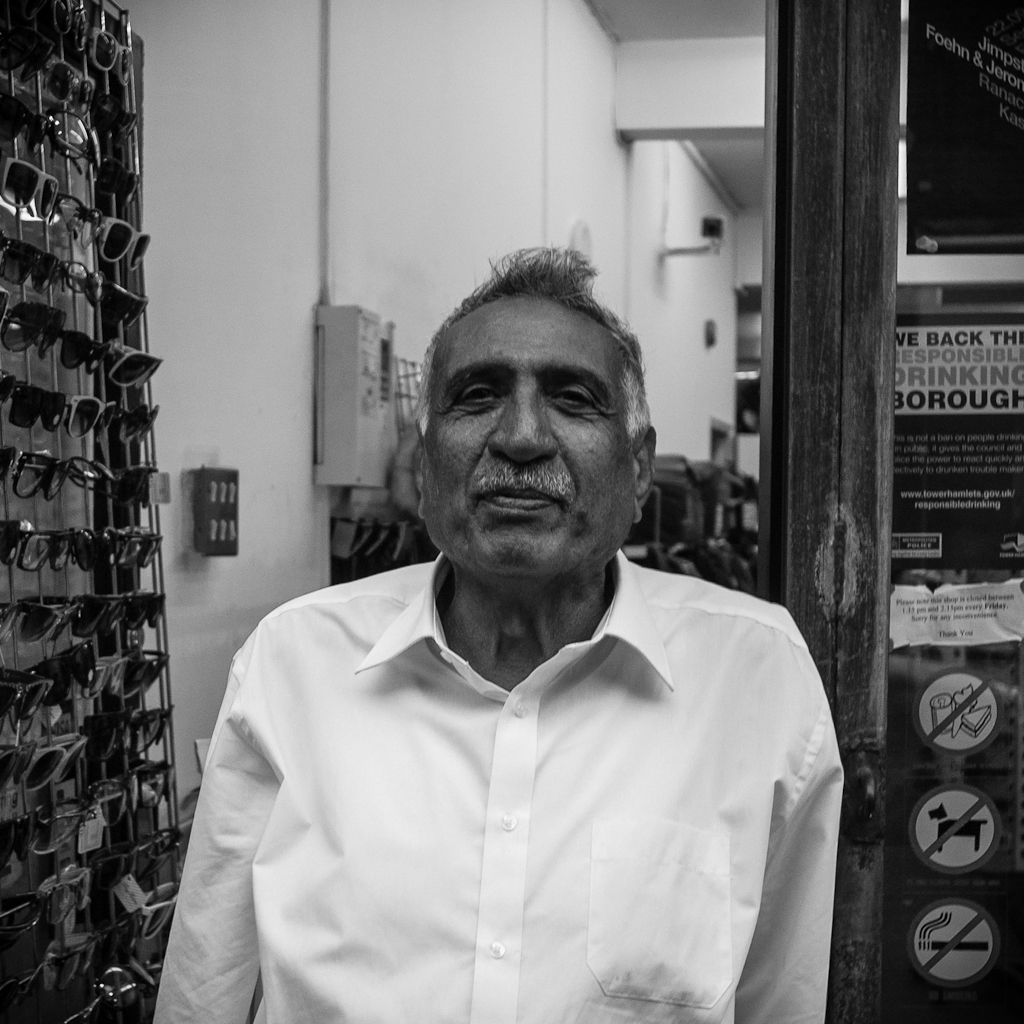
Getting out on the street frequently increases your chances of capturing that spontaneous moment. (Photo by A. Eshraghi)

I enjoy Abtin’s photos because he’s using a GF3 to get spontaneous and slice-of-life photos from around London. He also shoots film and a DSLR but I’ve chosen a few of his micro-four-thirds photos because they showcase the extra freedom you get from a smaller camera. Continue reading

Anthony Stonehouse Guest Photographer

Each month we’ll be profiling a local street photographer from around London. Not all of the photographers will be pure street photographers, but there is something about street photography that we can learn from all of them. This month we’re profiling Anthony Stonehouse, a Design Director who’s worked in Australia, Japan, the UAE and the UK.

Anthony and I met while we were both trying out the Panasonic GX1. He told me that “Most of my images are taken for their composition or light, rather than for a particular subject or candid moment.” I think this brings a bit more depth to his composition than many of my own run-and-gun candid street photos. I’ve picked five of Anthony’s photos that helped remind me to explore composition and light.

1. Do you prefer wide angle or zoom for street photography and why?
I prefer wide angle as I generally like to capture a scene, rather than just a crop of a particular subject. I quite like the challenge of shooting with a longer focal length though, and think it makes you look for subjects of interest rather than being as concerned with composition.

Anthony Stonehouse

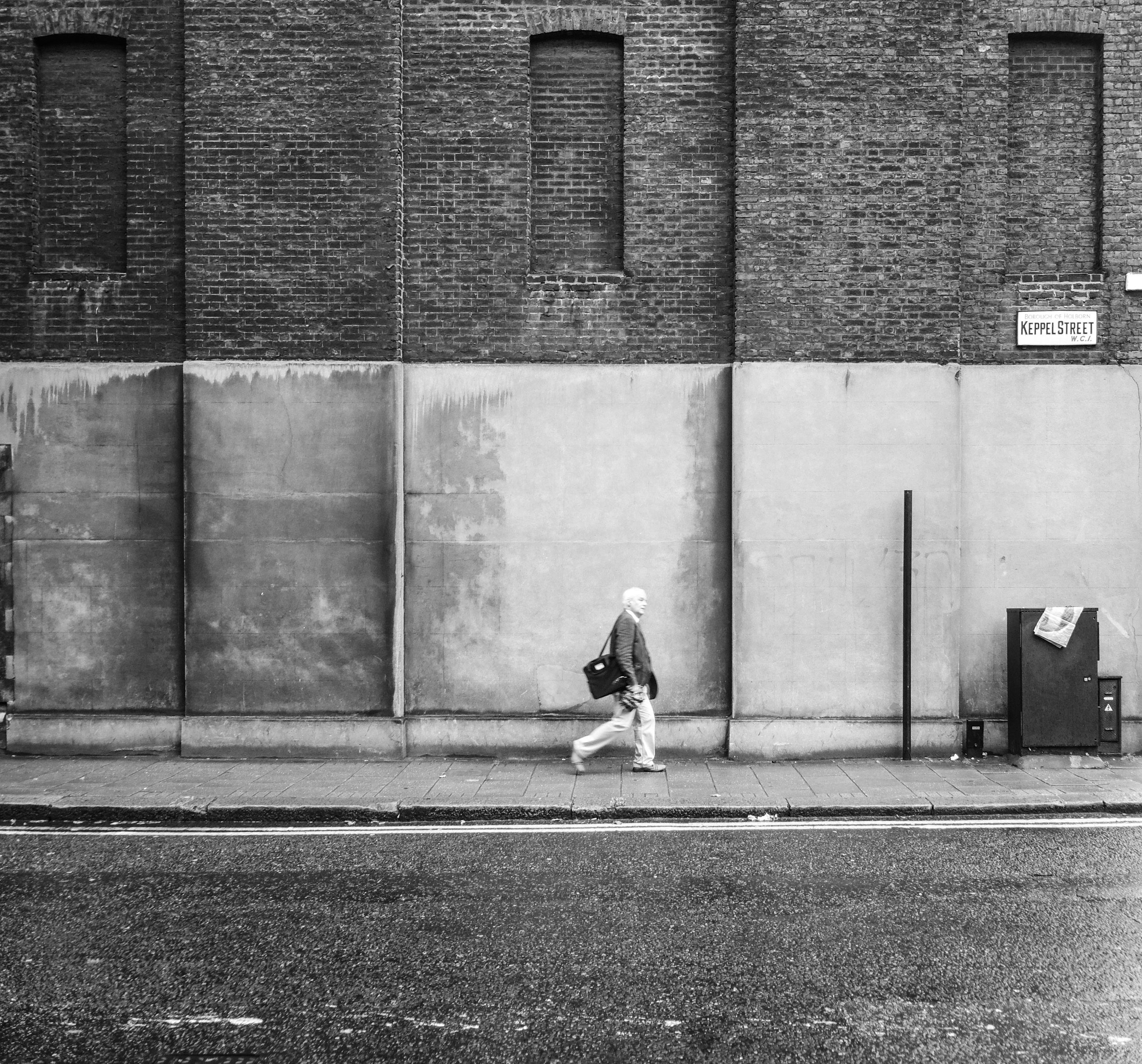
Wide angle shots allow you to convey a sense of space. (Photo by A. Stonehouse)

2. Do you interact with your subjects?
Never, unless I know them. Continue reading

Olympus E-M5

The new Olympus E-M5 is an interesting camera for street photographers. It’s smaller than an normal DSLR but larger than a candy-bar style micro four thirds such as the GX1. So it might be the best of both worlds for you, or the worst of both worlds.

E-M5 splash resistant

The E-M5 is splash resistant which is excellent news for London street photographers

The E-M5 is launching against tough competition from the GH2, GX1 and even the E-P3 because the sensor size is the same as these other cameras. This means that the fundamental physics behind shallow depth of field, low light performance and image quality are all the same across the competition. To address this Olympus have tweaked the sensor, but don’t expect images that are of a fundamentally different charachter than the other micro four thirds. Continue reading

Try before you buy

In my days as a ski instructor, I used to get asked alot by my friends which skis they should buy. My advice was always the same always: “Do a demo day and try them out. Or, if you can’t get to a demo day, then just bite the bullet and hire them.” People hate that advice because it involves effort. But if you want to put in zero effort into your gear selection then you’re not really putting serious effort into your endeavour, whatever field it is in. So my advice on which camera to buy is similar: “Try before you buy.”

Peter Thomson Photography

It's worth spending time to get the right gear for street photography.

The time and money that you spend on renting camera gear will be repaid in better purchasing decisions and educating your taste in what you like and why. So, how can you get access to street photography gear to try out before you buy? Continue reading

7 reasons I won’t be buying an EP-3

I tried out the Olympus EP3 specifically out as a street photography camera. The streets are a natural home for the EP3 because it’s smaller, lighter and less try-hard than a DSLR. But it’s not perfect. In fact it’s far from perfect…

Olympus EP3 Review

For a premium camera there is a lot missing from the EP3.

Shooting blanks: On my second day out with the EP-3 I was swapping memory cards and didn’t put a card back in the EP-3. It shot away happily for the whole morning, with no indication that there was no memory card inserted. This seems minor, but wait until it happens to you. Especially for street shooting, you need a camera that works with you not against you. Continue reading

Who owns street photography

To become a better street photographers we need to learn from the masters. The conceptual artist Vuk Vidor has a great poster called Art History. It got me thinking about what different street photographers are known for. Sometimes it’s not always the thing they wish they were known for.

I’ve put together a poster of about who’s who in the world of street photography in 2011. There might be a few names you don’t know and a lot that you already do.

Who owns street photography
Download the PDF of Who Owns Street Photography

Continue reading

David Gibson Street Photography Workshops

This weekend I had the chance to do a street photography workshop with David Gibson. David is a member of the in-Public collective and his work was featured in the Street Photography Now book and many others.

Street Photography Lessons

Small format street photography workshop in London

I was a bit worried that maybe I’d get looked down at for shooting Micro Four Thirds by a bunch of big SLR wielding purists. Instead we had a total mix, from a Leica M9 and X100 through to Micro Four Thirds, SLRs, medium format and even a faithful compact film camera. Continue reading

GX1 Review Questions

I’ve had a few more questions from readers about the GX1 about elements specific to street photography. I think the GX1 is going to be an important camera for street photographers. It meets my main criteria of fast, light and discrete. It also takes great quality photos.

With the GX1 you are buying into a standard that is growing and developing with ever more lenses and a community of passionate street photographers. However, no camera is perfect and you need to pick a tool that suits your usage. A couple of common questions so far have been:

External Viewfinder
The external EVF is not really any better than the G3, so if you really want an EVF then just get a G3. The GX1 with viewfinder attached is taller than a G3. On the street this will mean bumping the EVF against your chest, pulling it off to fit in your coat pocket and generally flaffing around. Not conducive to the decisive moment.

Lumix GX1 Back

The external EVF on the GX1 adds more bulk than I expected.

Continue reading

Olympus 45mm Review

The m.Zuiko 45mm f1.8 by Olympus is a stunning portrait lens. Put simply, if you only have a kit zoom and a wide prime (like the 14mm, 17mm or 20mm) then you’ve just found your next lens.

I’m a big believer in prime lenses. You get more glass for your money and it forces you to learn how to compose an image by zooming with your feet. But how does the 45mm preform as a street photographer’s lens?

Olympus 45mm 1.8

The 45mm focal length lets you capture details on the street.

I’m not reviewing this as a travel lens or a macro lens. It’d be great for the former and terrible for the latter. I’m a street photographer, which means that what I’m looking for in a lens is speed, discretion and toughness. Continue reading

GX1 Review

The GX1 is a real contender for best street photographer’s camera of 2011/2012. One of the keys to good street shooting is to find a lens that works with your style. So when I got my hands on the GX1 at a launch event I ran it through a couple of lenses that you might be interested in for street photography.

14-42mm X Lens
I tried the GX1 first with the 14-42mm X lens (available at a kit in Dec/Jan). The X lens is nicer than you’d expect. It feels a bit like a point and shoot but it’s so easy and nice to use that after a moment you let go and just enjoy the toggle-to-zoom power steering. The GX1 and 14-42mm are well proportioned and the focus is fast.

Panasonic GX1 with 14/45mm X lens

Small, fast, discrete and well built

As for how the toggle zoom performs on the street, it is fast enough to let you frame the shot, even when things are moving fast. For a prime shooter like myself, it still feels a bit like cheating. I also don’t like the point and shoot aesthetic. Yet somehow it all seems to come together and using the GX1 with the 14-42mm on the street is effortlessly cool. Continue reading

Panasonic GX1 Launch

I had a chance to drop by the Panasonic launch event for the GX1 at Jacobs Digital today. The GX1 is a great little camera. If you liked the GF1 you are going to love the GX1. Panasonic are excited about the camera but have positioned it at the high end so it’s not going to be for everyone. They admitted that they’ve had lots of feedback about the lack of built in EVF (so they are listening). Even so, the GX1 is an important part of Panasonic’s future vision for semi-pro micro four thirds cameras. Of course, my main question was “What is it like as a camera for street photographers?”

Panasonic GX1 Event at Jacobs Oxford St

Panasonic GX1 launch event at Jacobs Digital on Oxford Street London

The touch screen, thumb wheel and overall style owe a lot to the GF2. Which as you know, I think is heavily underrated. My prediction is that the GX1 will be underrated as well, until it gets into the hands of enough people. Then it will become a roaring success. It’s a try before you buy camera. You’ll know instantly if you love it or hate it. Continue reading

Rescuing Highlights

How I learnt to stop worrying and embrace the blowout
I grew up shooting film and fell off the wagon when things moved to digital. I had a string of Canon Ixus point and shoots and only just got back into photography with a micro four thirds camera. You can tell a lot about my shooting style by knowing how far I want to escape the point and shoots.

One of the worst things that Canon point and shoots do is blow the highlights out to white. Even in good light you can end up with over exposed, burnt out and horrible photos. Whole areas of the image with lost detail because it’s just a sea of plain white pixels.

Everything is just grey
Using point and shoots gave me a taste for the ‘rescue highlights’ function in iPhoto, the curves tool in Photoshop and the ‘recovery’ function in Adobe Lightroom. But recently I’ve realised that I may have gone too far.

Rescue highlights

Rescue highlights can restore detail but it flattens the image

The image above would be fine if I’d left the whites alone. As it is, look at how flat the photo appears. It’s actually quite contrasty but without the white pixels it’s just a sea of grey. Continue reading